
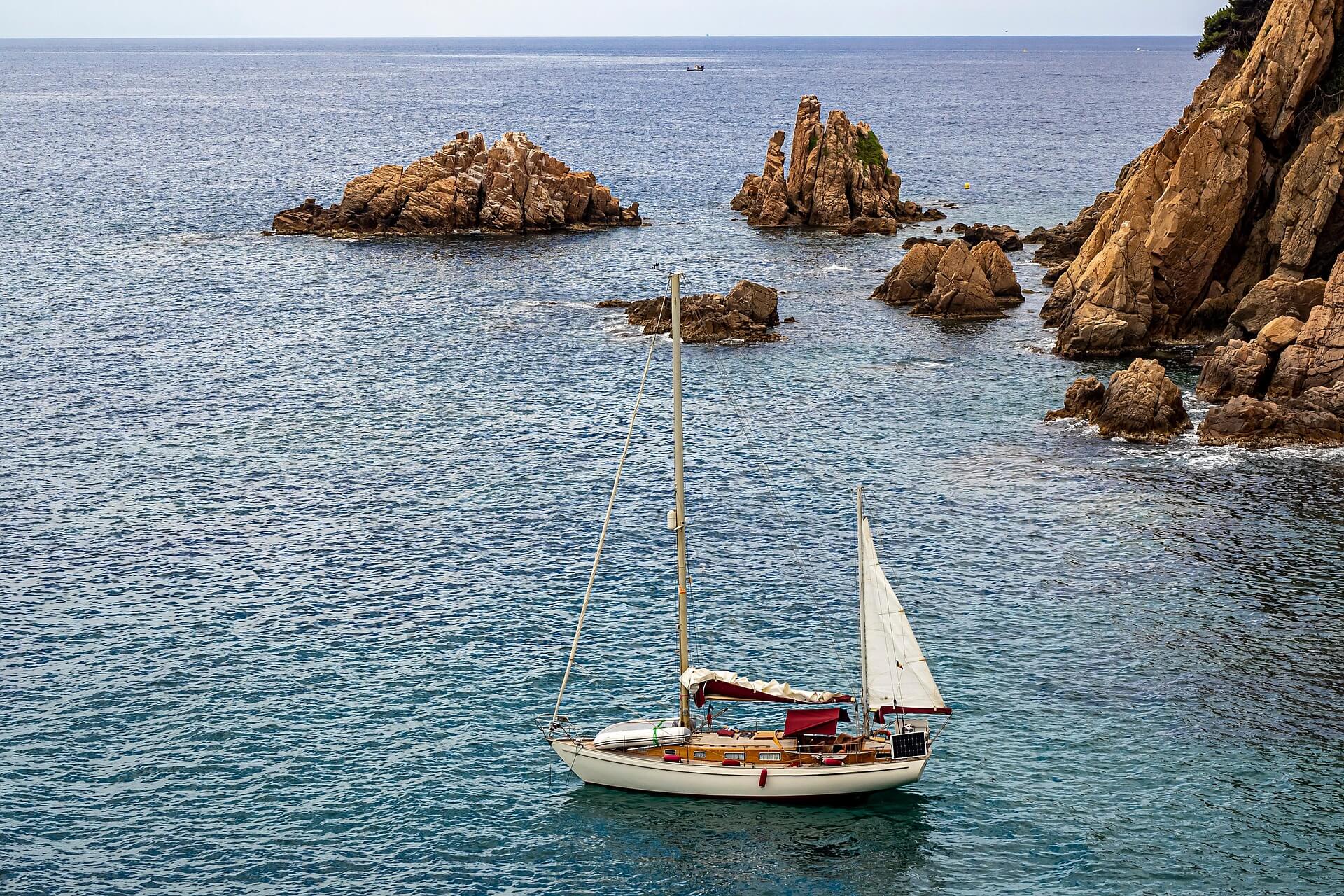
The Costa Brava market in 2026 is not the market of 2019, and it is not the market of 2022 either. Five years of pandemic-driven relocation, a sharp interest-rate cycle, the entry into force of Spain's Ley de Vivienda, and a structurally different international buyer mix have reshaped what a successful sale looks like — especially in the premium triangle from Begur south to Santa Susanna and inland to Girona. This guide is written for the owner who wants to understand that landscape before signing a listing agreement.
1. What changed on the Costa Brava since 2020
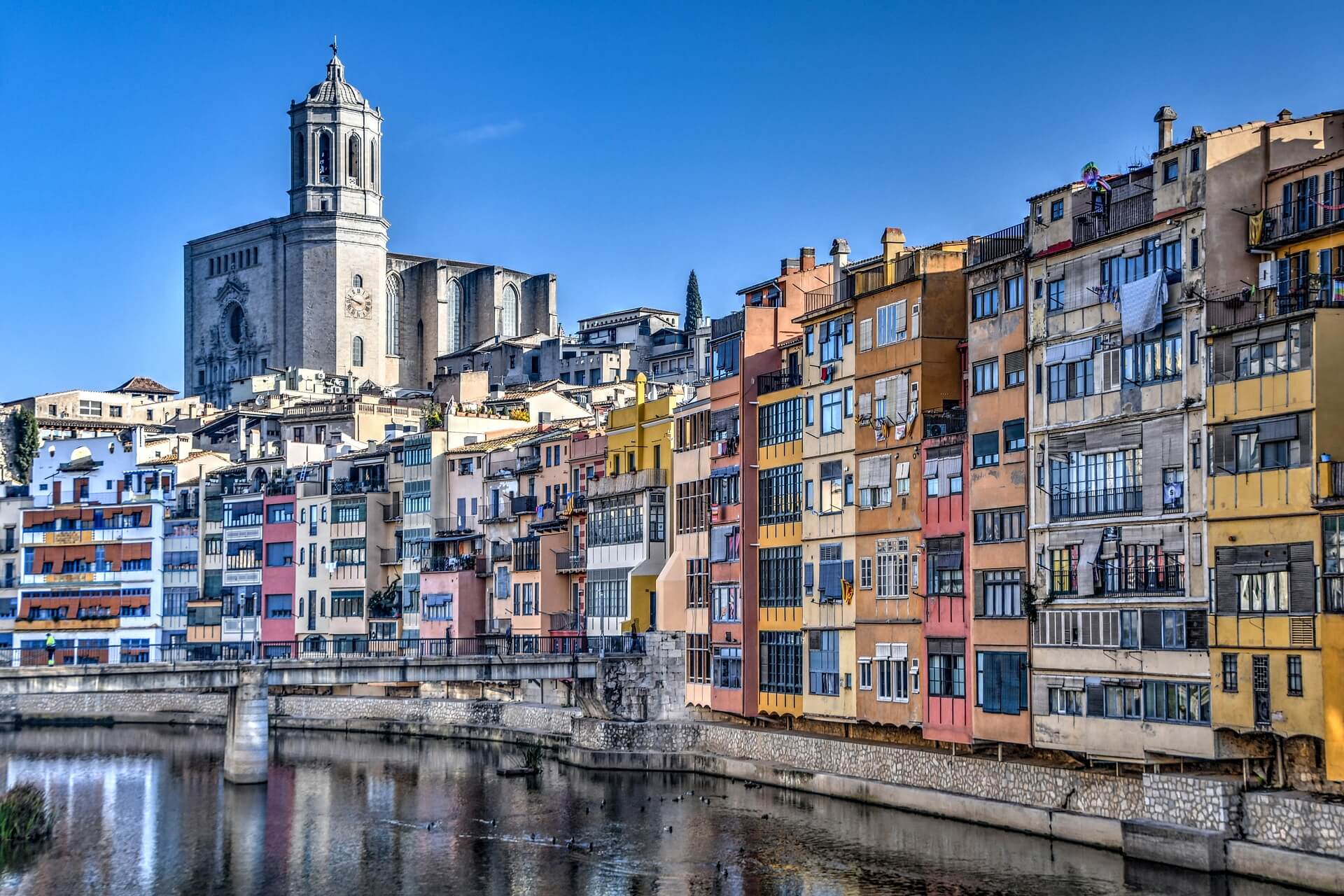
The five-year period from 2020 onward will be remembered as the single largest demand shock the Costa Brava has seen since the 1980s. Three waves overlapped: a remote-work relocation wave that turned second homes into primary residences, a capital-flight wave out of Northern Europe seeking lifestyle and sun, and a defensive wave from urban buyers leaving Barcelona for lower density and private outdoor space. By the time the European Central Bank finished raising rates in late 2023, prices in the most prestigious coastal pockets — Aiguablava, Sa Riera, Tamariu, Llafranc, S'Agaró — had moved 35–55% above their 2019 baseline. They have since stabilised at that higher plateau rather than retracing.
That stabilisation is the most important fact for any owner considering a sale in 2026. The market has digested the rate shock, mortgage demand has returned (the Euribor has dropped steadily through 2025), and inventory remains thin in the premium segment. Sellers who price correctly and present professionally are still receiving multiple qualified offers within 60–90 days. Sellers who anchor to peak-of-cycle wishful numbers are sitting on the market for 12–18 months and eventually closing 8–12% below where a disciplined launch would have landed them.
“The buyers are here. What punishes sellers in 2026 is mispricing in month one, not absence of demand in month six.”
2. Who is actually buying — and why it matters for how you list
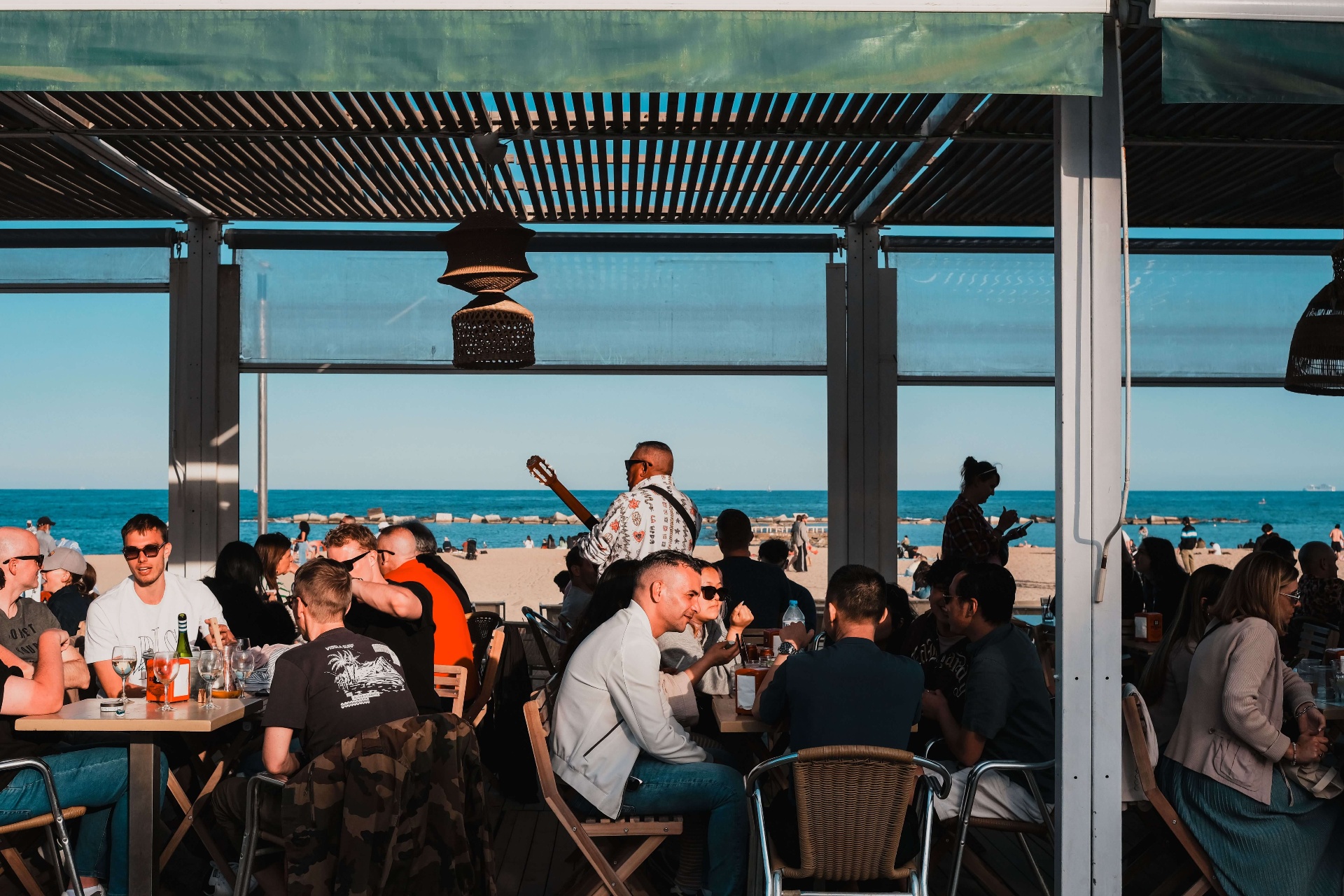
The 2026 Costa Brava buyer is materially different from the pre-pandemic profile. According to Registradores de Españadata published in early 2026, foreign buyers represent 47–58% of all transactions in the Baix Empordà and 38–44% in the Selva Marítima. The composition of that foreign demand has also shifted:
- French buyers remain the largest single nationality, drawn by proximity, language familiarity and the tax delta between France and Spain for retirees.
- German, Dutch and Belgian buyers have grown sharply since 2022, often searching for primary residences rather than holiday homes.
- Swiss and Nordic buyers dominate the top-quartile transactions — properties above €1.5M — where wire-transfer all-cash closings are now the norm rather than the exception.
- American buyers are a new and growing cohort, accelerated by the EU "digital nomad" visa pathway and a favourable EUR/USD window.
For a seller, this means a 2026 marketing plan that ignores international portals — particularly French, German and English-language platforms — addresses less than half of actual demand. The era when a SP-only Idealista listing was sufficient ended around 2021. Today, the international portal mix, plus translation of the listing into at least three languages, is the difference between two viewings a month and ten.
3. How to price in 2026 — and the trap to avoid
The single most damaging mistake an owner can make in 2026 is to price from a comparable that closed in 2022 at the peak of rate-driven urgency. Those transactions are not the benchmark. The benchmark is what has actually closed at notary in your micro-market in the last nine months — not what neighbours are asking on portals, and certainly not what your home was valued at by a 2021 mortgage appraiser.
A rigorous 2026 valuation triangulates three inputs:
- Closed sales from the local Registry within the last 9 months, filtered to the same typology (turnkey villa, restoration project, apartment, masía) and within a 1 km radius for coastal micro-markets.
- Active competition currently on the market — not because their prices set yours, but because a buyer will see your listing alongside theirs and decide in 30 seconds.
- Absorption rate in your segment. If only two comparable properties sold in your village in the last six months, you are in a thin market and need to price below the most attractive active competitor, not at parity with it.
Wishful pricing burns the most valuable asset a listing has: launch attention. The first three weeks on a portal generate 70% of the qualified viewings the listing will ever produce. A relaunch after a price drop does not recapture that audience.
Subscribe · Free
Monthly Property Market Update
Pricing trends across Costa Brava & Girona, plus legal and political updates affecting sellers and their investments. Written for owners who want signal, not noise.
No spam. Unsubscribe in one click. GDPR-compliant.
4. Taxes and seller-side costs, explained in plain terms
Every owner should walk into a notary appointment with a one-page summary of exactly what they will net. Surprises here are common and avoidable. The main seller-side costs in Catalonia in 2026 are:
- Plusvalía Municipal — a municipal tax on the increase in cadastral land value during your ownership. Reformed in late 2021 to permit calculation by the objective method or by real gain (whichever is lower). Town-hall dependent; ask for an estimate before signing.
- Capital gains tax (IRPF or IRNR) on the difference between acquisition cost (plus improvements and allowable expenses) and the net sale price. Residents pay on a progressive 19–28% scale; non-residents pay a flat 19% (EU/EEA) or 24% (non-EU).
- 3% non-resident retention: if you are non-resident, the buyer is legally required to withhold 3% of the sale price at notary and pay it directly to the Spanish tax authority on account of your capital gain. You recover the surplus by filing a Modelo 210 within four months.
- Mortgage cancellation, energy certificate, cédula de habitabilidad renewal where applicable, and the agency fee.
For most coastal villa sales in the €700k–€2M range, the total friction lands between 4% and 8% of headline price. Knowing your number before you negotiate is what separates a calm closing from a panicked one.
5. The legal landscape sellers should not ignore
Three regulatory developments are actively shaping seller decisions in 2026. The first is Spain's Ley 12/2023 por el Derecho a la Vivienda, which introduced the framework for declared stressed-market zones. While this principally affects the rental market, it has changed buyer behaviour: investor demand has cooled in zones where rental caps apply, and primary-residence demand has correspondingly strengthened in coastal markets that fall outside those zones.
The second is the tightening of tourist licence (HUT) issuance across most Costa Brava municipalities. A property that holds a transferable HUT is materially more valuable to investor buyers; one that does not, and is in a municipality that has paused new issuance, is no longer a rental-yield play and must be priced as a primary or secondary residence.
The third is the ongoing tightening of energy-efficiency requirements. The 2024 transposition of the EU Energy Performance of Buildings Directive means that very low-rated properties (E, F, G) are increasingly being financed at a discount or refused outright by Northern European banks lending to expatriate buyers. A modest pre-listing investment in insulation, glazing or solar can move the certificate by a full grade and remove a financing friction that would otherwise cost you a price reduction at offer stage.
“Half the disputes I see at closing would not exist if the seller had ordered the energy certificate and the cédula three months earlier.”
6. Presentation, photography and the international shop window
A Costa Brava buyer in 2026 typically forms a shortlist of three to five properties from their sofa in Zurich, Paris or Amsterdam before booking a single flight. The listing must survive that screen test. In practice, this means:
- Professional photography shot at golden hour, with at least one drone exterior and one twilight image. Smartphone photos from a hurried agent visit will route your property to the bottom of every algorithmic ranking.
- A floor plan with surface areas — non-negotiable for serious foreign buyers, who are accustomed to floor plans being standard.
- A 360° virtual tour for any property above €600k. This is the single highest-ROI investment in the marketing budget; it filters out tourist-curious viewers and concentrates real interest.
- A short cinematic video — 60 to 90 seconds — for properties with a strong sense of place. This is the unit of currency on Instagram, on portal carousels and in WhatsApp shares among buyer family groups.
7. Negotiation, offers and the dance to notary
A well-launched property on the Costa Brava in 2026 typically attracts its first credible offer within 30–60 days. The temptation, especially for first-time sellers, is to accept the first offer if it is close to asking. This is almost always a mistake. The first offer establishes that a buyer pool exists; it does not establish your ceiling.
A disciplined negotiation creates urgency without dishonesty. When two qualified parties are aware of each other, the dynamic shifts from buyer-led discounting to seller-led tension. A skilled advisor will surface that competition transparently, document financing capacity, and bring you to a signed arras penitenciales contract within two weeks of the breakthrough offer. From signed arras to notary is typically 60 days for a cash buyer, 90 days for a mortgaged one.
8. The 2026 listing calendar — when to launch
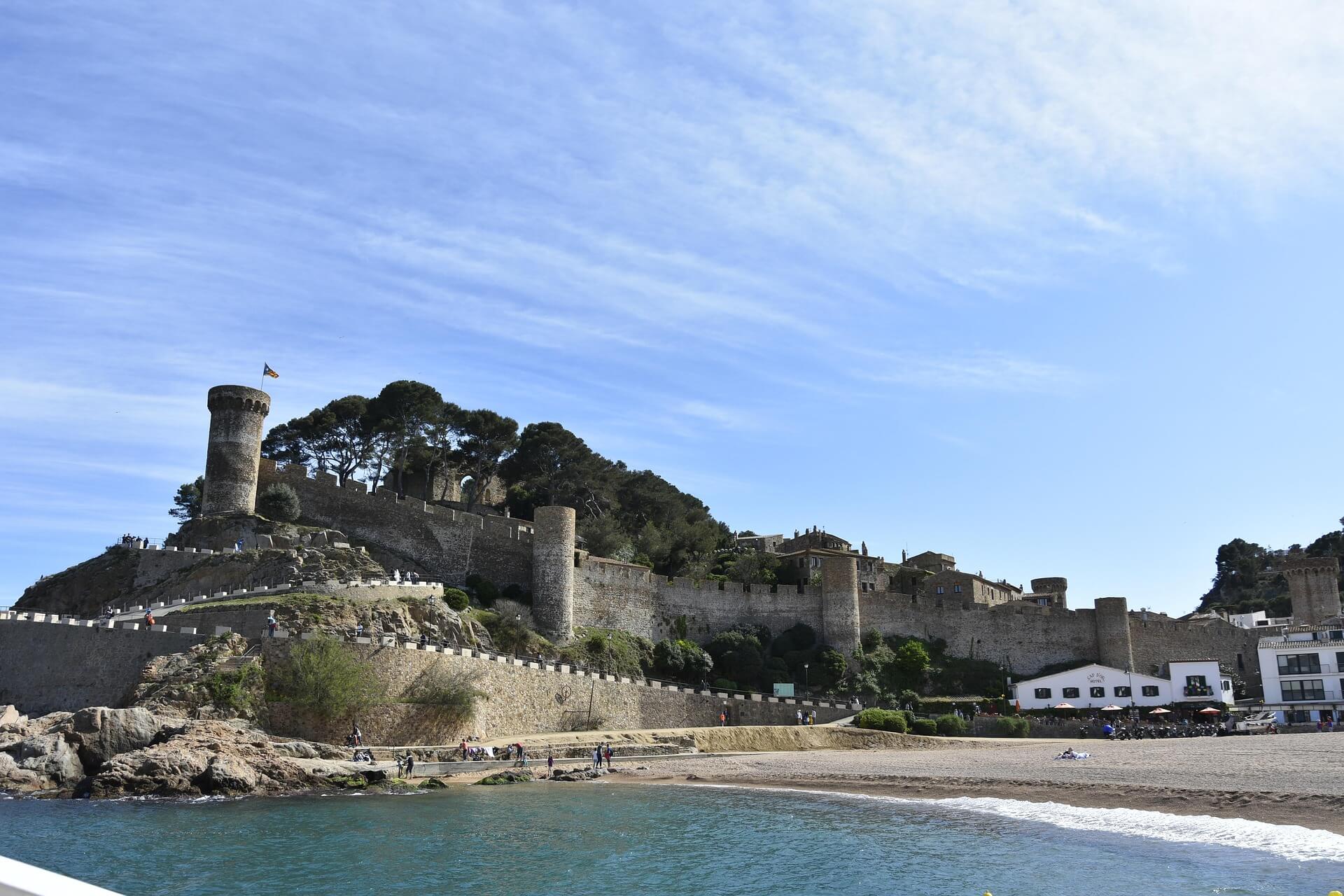
The Costa Brava has two distinct selling seasons, which play out differently between coastal villages like Calella, Llafranc and Tamariu and inland markets such as Pals and Platja de Pals. The first runs February to early June and targets the international second-home buyer who wants to complete before summer. The second runs September to mid-Novemberand targets the primary-residence buyer relocating before the new school year and the year-end tax window.
July and August are inadvisable launch windows for most properties. Notaries reduce activity, advisors are on rotation, and serious buyers are themselves on holiday. A property launched in late July still sitting in November reads as stale even if it has only been listed four months.
Closing thought
The Costa Brava in 2026 rewards owners who treat the sale as a project, not an event. Twelve weeks of preparation — a clean energy certificate, a clear tax projection, professional imagery, a defensible price, a multilingual launch — produces measurably better outcomes than any amount of negotiation after a sloppy listing has aged on the portals. The market is here. The buyers are here. The advisor's job is to make sure the property shows up to the appointment ready.
Frequently asked questions
What is the best month to list a property on the Costa Brava?+
For coastal homes targeting international buyers, February through May produces the highest viewing volume because buyers want to close before summer. Inland masías and primary residences sell year-round but peak in September–November.
How much does it cost to sell a property in Catalonia?+
Plan for roughly 4–8% of sale price in seller-side costs: agency fee, plusvalía municipal, capital-gains tax on the profit, energy certificate, and cancellation of any existing mortgage. Non-residents also face a 3% retention withheld at signing.
Do I need an energy certificate to sell?+
Yes. The Certificado de Eficiencia Energética is legally required to advertise and to sign at notary. It is inexpensive (€80–€250) and valid for ten years.
Should I sell privately or with an agent?+
Private sales rarely outperform once you factor international reach, qualified viewings, and negotiation. The Costa Brava market is 40–60% foreign buyers depending on the town — without multilingual marketing on French, German, Dutch, and Nordic portals you address only a fraction of demand.
How long does a sale take from listing to notary?+
Realistically 4–9 months for a correctly priced property. Two to four months to receive a strong offer, then 60–90 days from accepted offer to notary while the buyer arranges financing and the lawyer reviews title.
Local deep-dives in this series
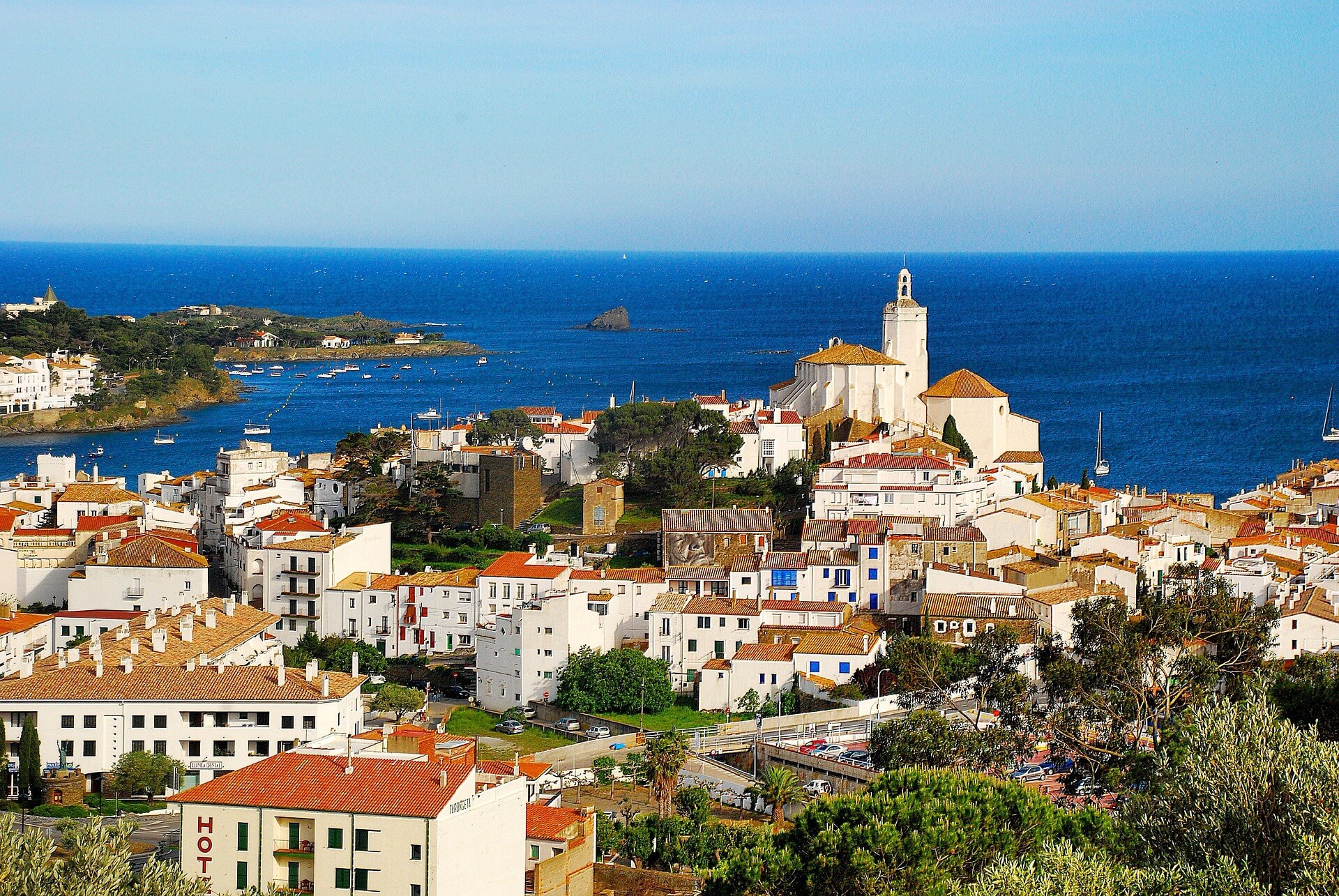
Begur
Selling in Begur: Sa Riera, Aiguablava & Sa Tuna
Micro-market guide to Begur's three most valuable coves — pricing, buyer profile, planning constraints and what makes each calanque sell at a premium.
Read the guide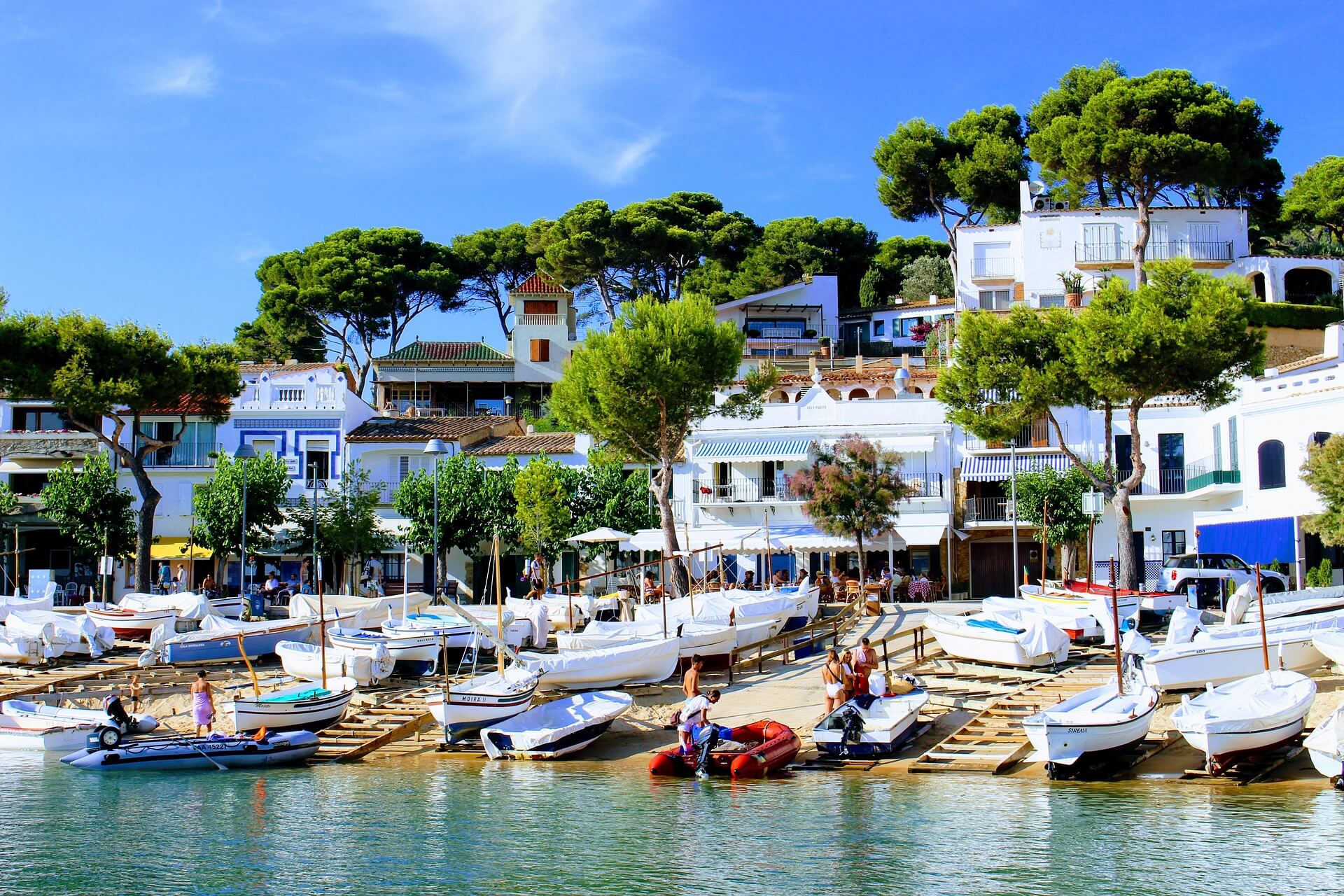
Palafrugell
Selling in Calella de Palafrugell, Llafranc & Tamariu
Why Palafrugell's three coastal villages command the Costa Brava's most resilient prices, and what owners should know before listing.
Read the guide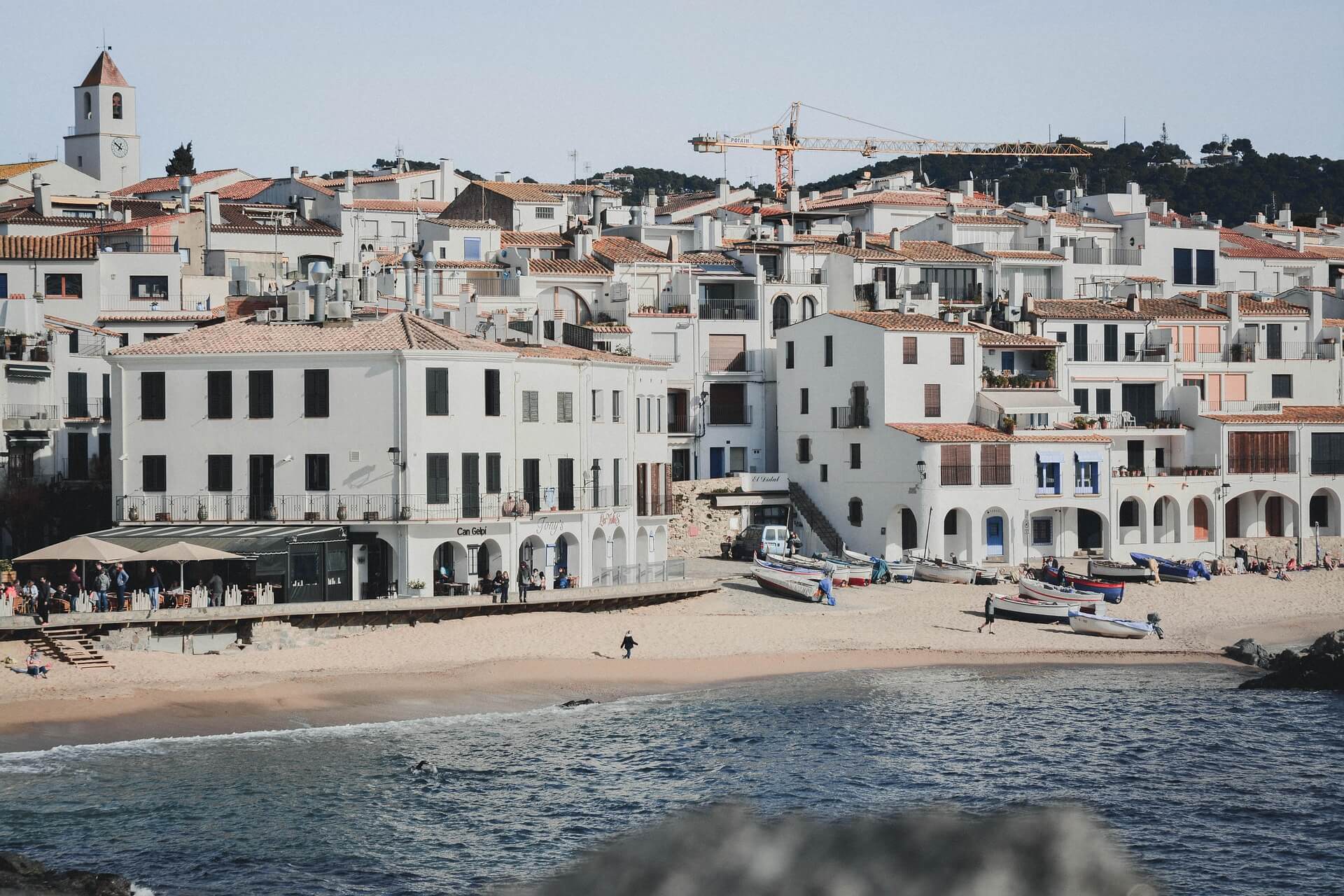
Pals
Selling in Pals & Platja de Pals
Inland medieval village versus golf-and-beach urbanisation — two distinct buyer pools, one postcode. How to position each.
Read the guideSubscribe · Free
Monthly Property Market Update
Pricing trends across Costa Brava & Girona, plus legal and political updates affecting sellers and their investments. Written for owners who want signal, not noise.
No spam. Unsubscribe in one click. GDPR-compliant.